Where and when should you go rock pooling in Gorran Haven?
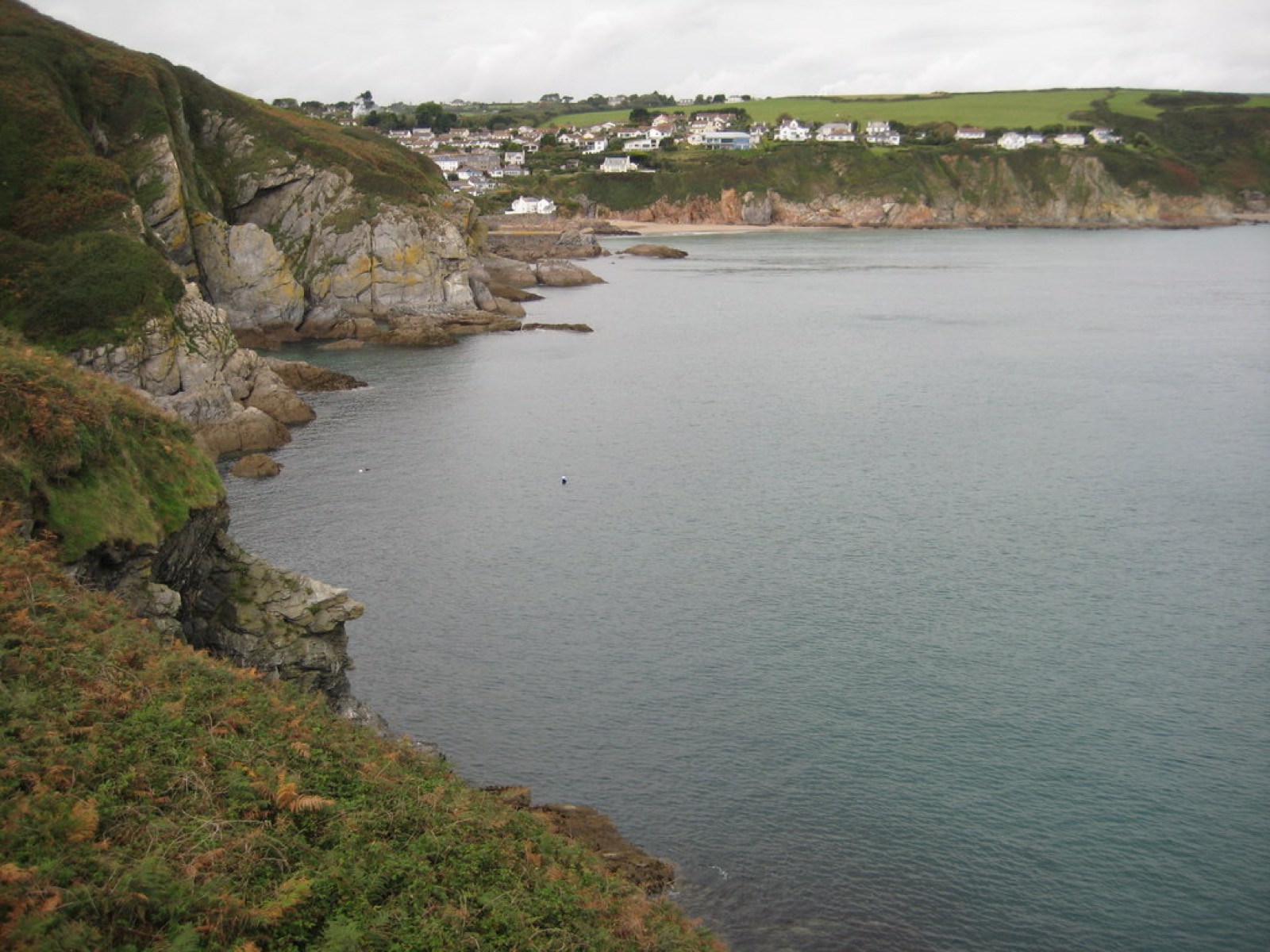
Rock pooling in Gorran Haven is one of the simplest, most joyful things a family can do on holiday here, and it costs nothing at all. The best pools sit at both ends of the main beach, where rocky ledges and boulders are uncovered as the sea pulls back. Go on a falling or low tide for the widest expanse of pools, and you'll meet crabs, blennies, prawns, anemones and more. As a bonus, our house sits barely a minute from the sand, so you can time it perfectly.
The single most important thing to understand about rockpooling is the tide. At high water the ledges are underwater and there's nothing to explore; as the tide drops it reveals rock pools left brimming with sea life. So before you set out, check a tide table for Gorran Haven (or nearby Mevagissey) and aim to be on the beach for the couple of hours around low tide. A falling tide is safest and most rewarding, because the water is retreating away from you rather than creeping up behind you.
Timing also improves your finds. The bigger spring tides — which happen roughly around the new and full moon — drop further and expose rocks that are normally submerged, uncovering pools you simply can't reach on a smaller neap tide. If your stay coincides with a good low spring tide, make the most of it.
Which are the best rock pools on Gorran Haven beach?
Gorran Haven's sheltered, sandy cove is framed by rock at each end, and that's exactly where the magic happens. Both ends are worth a look, and it's well worth exploring a little of each rather than settling for the first pool you reach.
- The harbour end (village side): the ledges beneath and around the old harbour wall hold plenty of shallow, sheltered pools that are perfect for younger children. The water tends to be calm and the footing more forgiving here.
- The far end (towards the cliffs): as you walk away from the village, the rocks become larger and the pools deeper, which often means bigger, more varied finds — but the going is trickier underfoot, so keep little ones close.
A gentle tip from years of doing this with visiting families: the best rock pools are usually the ones a bit further out, uncovered only near low water. Look for pools with strands of seaweed, overhangs and rocky nooks, because that's where creatures shelter. Turn a stone over gently and you'll often find a whole hidden world beneath it.
What creatures will you find rock pooling here?
This stretch of the south Cornwall coast is wonderfully rich, and even a short session usually turns up a good haul of characters. Here's what you can realistically expect to meet while rock pooling Gorran Haven's ledges:
- Crabs: shore crabs are everywhere, scuttling sideways under weed and stones, and little hermit crabs borrow empty periwinkle and whelk shells for a home.
- Small fish: blennies and gobies dart between rocks and can sit surprisingly still if you're patient.
- Prawns and shrimps: almost transparent, they hover in the clearer pools — try trailing a net slowly and watch them ping backwards.
- Anemones: the jelly-like red blobs are beadlet anemones; the ones with waving purple-tipped tentacles are snakelocks.
- Shellfish: limpets clamped tight to the rock, plus periwinkles, mussels and the odd cluster of barnacles.
- Starfish and cushion stars: not on every visit, but a real prize when they appear.
- Beachcombing bonuses: you may find a chalky white cuttlebone or a leathery black mermaid's purse (an empty shark or ray egg case) washed up nearby.
A cheap identification chart or a phone app turns the whole thing into a treasure hunt, and children love ticking off species. There's no need to catch anything to enjoy it — half the fun is simply crouching quietly and watching a pool come to life.
What kit do you need, and how do you rock pool responsibly?
You need very little to go rockpooling, which is part of the charm. A few sensible bits make the day easier and kinder to the wildlife:
- A bucket half-filled with seawater, so any creature you look at stays cool and covered while you admire it.
- A net for the braver ones, though honestly gentle hands work best and do the least harm.
- Sturdy shoes or wellies — old trainers or proper wetsuit boots grip far better than bare feet or flip-flops on slippery, barnacled rock.
- Sun cream, a hat and water, because you'll be out longer than you think once the hunt begins.
Looking after the pools
These pools are living homes, so please treat them gently. Always return every creature, stone and strand of weed exactly as you found it — if you turn a rock over to look underneath, turn it carefully back the same way up, because the underside is a whole habitat. Handle animals as little as possible and never with dry, warm hands; scoop rather than grab, keep them in seawater, and tip them straight back where you found them after a good look. Take only photographs and memories home. Responsible rock pooling means the next family finds the pools just as full of life as you did.
How do you stay safe rock pooling with children?
Rock pooling is safe and easy for families as long as you respect two things: the tide and the rocks. A little care keeps it stress-free.
- Watch the incoming tide. Once the tide turns it can come in faster than you expect and cut off the outer rocks. Know when low water is, head back well before the sea returns, and never let children explore the far ledges alone.
- Mind slippery rocks. Wet rock, weed and algae are treacherous — move slowly, test your footing, and keep hands free for balance rather than carrying too much.
- Keep little ones close. Deeper pools and channels can be surprisingly deep, so young children should always be within arm's reach.
- Check the weather. Avoid the rocks in rough seas or big swell, when waves can wash over the ledges without warning.
Our complete guide to Gorran Haven beach has more on tides, parking and facilities if you'd like the full picture before you set off.
Where else can you go rock pooling near Gorran Haven?
If you fancy exploring beyond the village beach, this pocket of coast is dotted with quiet coves that hide brilliant rock pools of their own — perfect for a second or third rockpooling adventure during your stay.
- Vault Beach (Bow): a longer, wilder sweep of sand just around the headland, with rockier ends and a real away-from-it-all feel. A short walk from the village along the coast path.
- Hemmick Beach: a small, unspoilt cove a little further west near Dodman Point, with lovely pools at low tide and a proper sense of the wild Cornish coast.
- Other little coves: the coastline between here and the Dodman is stitched with tucked-away inlets, many with good pools when the tide is out.
Reaching some of these means a stroll along the South West Coast Path, which is a treat in itself. For more ideas on filling your days, see our roundup of things to do in Gorran Haven and our guide to family holidays in Cornwall.
Half the joy of rock pooling is the slowness of it — a whole afternoon can vanish while a child watches a single crab, and nobody minds one bit.
There's no better base for it than a home right on the water's edge. The Beach House sleeps eight in designer comfort and sits barely a minute from the sand, so you can grab a bucket, wander down as the tide drops, and be back for tea with salty hands and happy children. When you're ready, check availability and book your stay on Airbnb — the rock pools will be waiting.